
Your cart
There are no more items in your cart
- Dr. Marco Verducci
- 13 likes
- 74918 views
- 0 comments
Lactase is an enzyme in the digestive system that catalyzes the breakdown of lactose, the main sugar found in milk.
Lactase works best within limited ranges of temperature and pH , making it dependent on both factors to perform this essential reaction. If lactase is rendered non-functional due to extreme changes in temperature or pH, the breakdown of lactose stops and symptoms similar to lactose intolerance can be triggered.
Now let's see how these factors can affect the proper functioning of the lactase enzyme.
1. The temperature
Enzymatic reactions are highly temperature dependent. Like most components of complex biological processes, enzymes are designed to function in a rather narrow temperature range (Yang ST, 1989).
We spend a few words on the temperature as, in our organism, we are in the optimal conditions for the lactase to do its duty. In fact, our enzyme friend is able to work between 21.11 and 48.88 degrees Celsius.
2. Optimal pH conditions
In scientific literature, pH (hydrogen potential) was first introduced in 1909 by the Danish chemist Søren Sørensen, defining it as a numerical scale that can be used to specify the acidity or basicity of an aqueous solution.
Solutions with a pH below 7 are acidic and solutions with a pH above 7 are basic.
Pure water is neutral, that is, it has a pH of 7 (at 25 ° C), being neither an acid nor a base. The human body precisely adjusts the pH of the blood to provide an optimal environment for the many critical processes occurring in the bloodstream.
Enzymes such as lactase are large, complex proteins and, like all proteins, are composed of amino acids. Changes in pH cause changes in amino acids that can distort an enzyme into a less effective form.
Enzymes have a different optimal pH because they are designed to function in different environments.
Pepsin, for example, is an enzyme that provides for the partial digestion of proteins in the human stomach and prefers the low pH of about 2.0 associated with gastric acidity. Lactase, on the other hand , has an optimal operating pH of around 6 which corresponds to the typical pH of the human small intestine, i.e. slightly acidic.
Deviations in pH outside this range can cause lactase denaturation.

Interactions between acidifying / alkalizing foods and the therapeutic effect of Lactosolution
In this section, we will discuss the impact that an acidifying or alkalizing food could have on the therapeutic efficacy of Lactosolution.
There are many tables that, based on the pH, report the subdivision of foods into acidifiers or alkalizers. In classifying foods, however, we must be careful: the important thing is the pH variation produced in our body following the digestion of the food, not the basic intrinsic pH of the food!

Acidic foods and acidifying foods are not the same and do not always have the same functions within our organism, as a food with an acid intrinsic pH could be transformed into an alkaline product in the organism thus taking on an alkalizing function even if all origin had an acidic pH.
| Let's take lemon juice as an example. Lemon juice has a strongly acidic pH (around 2-3), but as strange as it may seem, once ingested the lemon juice acts in the opposite way, that is, it performs an alkalizing action : during metabolization, citric acid present in lemon juice oxidizes and the resulting salts give rise to carbonates and bicarbonates of calcium and potassium which contribute to the alkalinity of the blood. | 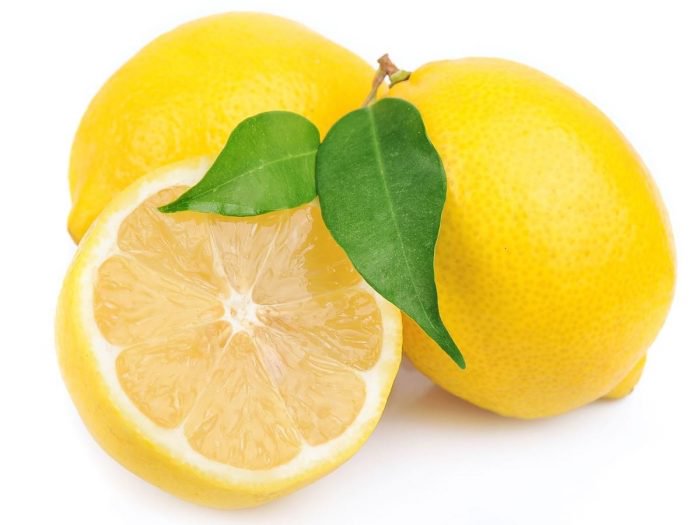 |
So a big distinction must be made between an acidic food and an acidifying food.
Some tables determine the acidity or alkalinity on food before it is consumed, others instead reveal the effects that food has on the body after digestion and are therefore more useful for choosing the correct diet so that it cannot block the effect of Lactosolution.
| In general, foods containing sugar and yeast, fermented, refined, microwaved or heavily processed foods are considered acidifying . Most grains are considered to be acidifying. Among them we find spelled, wheat, barley, oats, rice, rye, corn and their derivatives, including pasta and bread. There are some legumes that are considered acidifying, such as chickpeas, white beans and lentils. Sugar, honey, eggs, shrimp, cod, salmon, chicken, pork, lamb, beef and turkey are acidifying foods. |  |
These acidifying foods have the ability to maintain the intestinal pH slightly acidic and therefore could improve the therapeutic efficacy of Lactosolution if taken earlier.
If a food has an important content of alkaline minerals , such as sodium, potassium, calcium and magnesium, it is likely that it will be alkalizing for the body.
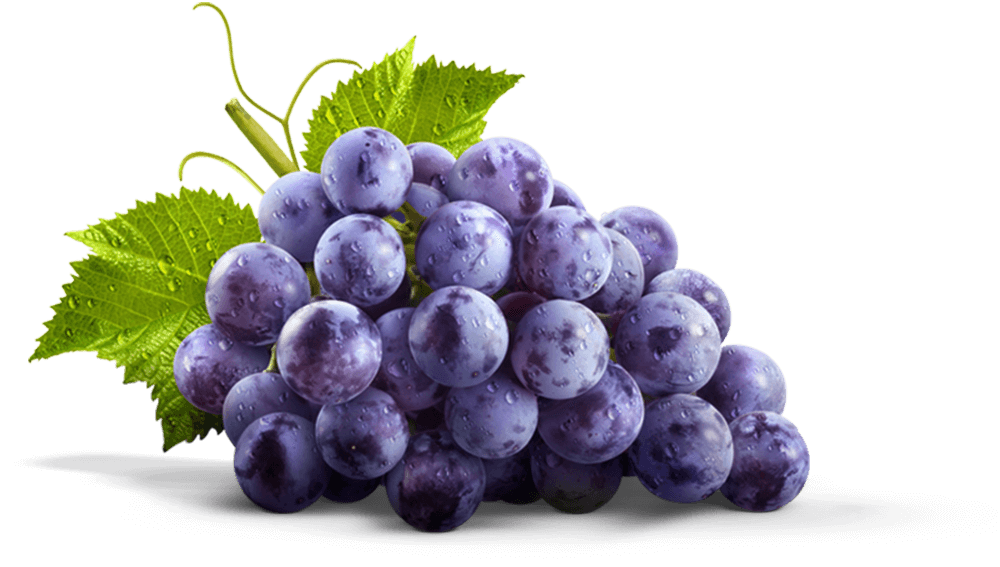 | Among the foods considered to have the greatest alkalizing power there is grapes . Also, it is possible to include: spinach, celery, carrots, dried figs, cucumbers, bean sprouts, lettuce, radishes, cabbage, cauliflower and mushrooms among the alkalizing foods given their high content of mineral salts. There are also alkalizing seasonings such as ginger, chili, curry, sage, rosemary, fennel seeds, and cumin seeds . |
This other group of foods have the ability to bring the pH to an extreme alkaline value (greater than 7) which could cause the inactivation and denaturation of the lactase included in the Lactosolution making it ineffective or reducing the duration of the effect of the lactase included. in the Lactosolution. As a direct consequence, the breakdown of lactose stops and symptoms similar to a lactose intolerance can be triggered.
NB: Food supplements of mineral salts can affect the effectiveness of Lactosolution as they have a strong alkalizing potential . Therefore, for lactose intolerant patients who also have to undergo a therapy with mineral salt supplements, a time interval of about 90 minutes between the intake of one and the other (Lactosolution and mineral salt supplements) is always recommended to maintain the therapeutic effect of Lactosolution.
References
- Lehninger Principles of Biochemistry, Fifth Edition; David L. Nelson and Michael M. Cox
- University of Pennsylvania School of Arts and Sciences: Getting to Know Lactase
- European Journal of Biochemistry: Purification and Characterization of Amphiphilic Lactase / Phlorizin Hydrolase from Human Small Intestine
- American Journal of Clinical Nutrition, 1994; 59: 1356-61
- Paolo Silvestrini, Fundamentals of chemistry, 10th ed., CEA, 1996, ISBN, 88-408-0998-8

Comments (0)